Synopsis
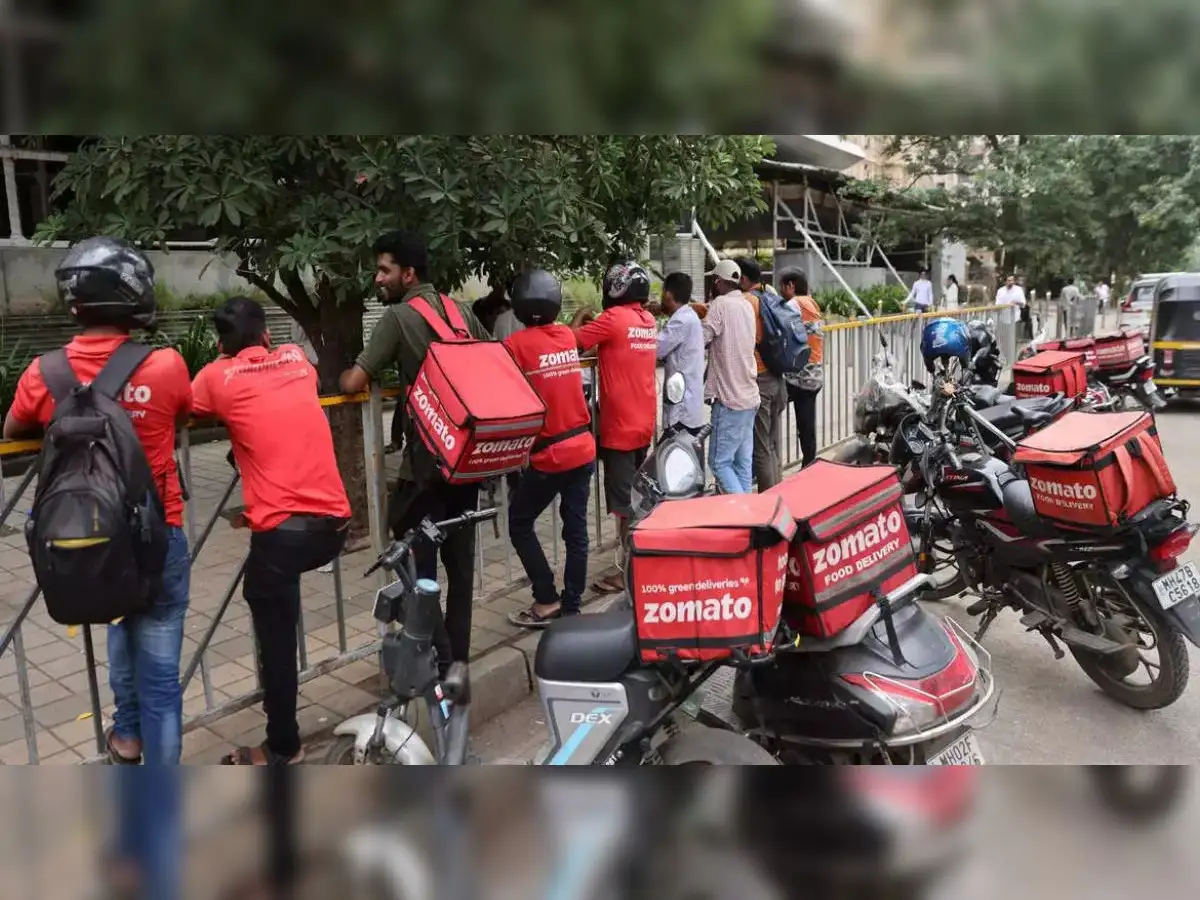
Food delivery and quick commerce platforms expect a surge in demand during summer and the IPL season, but rider availability remains uncertain. Demand for gig workers could rise 25%, while many return home for harvest and elections. Rising fuel prices, incentives, and competition are adding pressure on payouts and hiring plans.Demand for gig workers could rise 25% in the coming months, with the harvest season coinciding with legislative elections in West Bengal and Kerala, prompting many workers to return to their home states, experts said.
This period typically sees a shortage of riders as summer sets in and gig workers head back to their native towns for harvest-related work. As demand picks up in large cities during the IPL season, platforms usually raise incentives by about 15% each year to retain riders.
This time, however, payouts may be harder to calibrate. Executives pointed to the ongoing Middle East conflict as a key variable, with geopolitical tensions pushing up fuel prices while also weighing on labour-intensive sectors.
“While on one hand, fuel price increase will need to be compensated, the war may lead to slowdown in manufacturing due to the unavailability of raw materials. If that happens, labourers from the manufacturing sectors could end up creating an oversupply in the delivery gig workforce,” a senior logistics executive said. “So, it is too early to predict if the payouts will increase.”
Oil marketing companies have already raised premium petrol prices by up to Rs 2.35 per litre in India following the US-Israel and Iran conflict.
“Currently, we don’t see an indication to increase incentives for riders, but these will go up during match days as demand picks up,” a Bengaluru-based quick commerce executive said.
According to a Flipkart Minutes spokesperson, the platform is expecting a six times growth in demand this year's IPL edition compared to last year.
“As demand rises with the heat, we scale our dark store network and delivery workforce accordingly. AI-led demand forecasting and real-time route optimisation help us stay ahead,” said Zepto chief operating officer Vikas Sharma, adding that his platform is also offering heat allowances and adjusted shift timings during peak afternoon hours.
Eternal, Swiggy, Amazon Now and BigBasket did not respond to ET's queries until press time.
Karan Taurani, executive vice president at Elara Capital, said the recent platform fee hike by Zomato could help cushion margins if fuel prices rise further.
“EV penetration among gig workers remains low - around 10% in food delivery and 20–25% in quick commerce. In such a scenario, companies may have to compensate gig workers for higher fuel costs. As per our assessment, every 10% increase in fuel prices could have a negative impact of nearly Rs 90 crore (Rs 1 per order, assuming 20-25% is fuel cost and balance is labour) on food delivery Ebitda,” he said.
“Incentives will increase on match days because platforms want more people delivering on time. However, the increase may not match past years. Last year, we saw about a 15% rise; this year, it could be 5-10%,” said Sankalp Sharma, head of operations at Zippee.
That would translate into a modest bump in rider earnings. “For a rider who fully optimise their time and maximises incentives, this could mean an increase of roughly Rs 1,500 to Rs 3,000 per month,” said Sonal Arora, country manager, Gi Group Holding India.
Increasing competition
Rising competition in quick commerce is also pushing companies to step up hiring, even as supply remains uncertain.
“We expect at least a 25–30% increase in hiring needs over the next two to three months. Competition is likely to be sharper this year as ecommerce platforms expand their quick commerce offerings,” said Balasubramanian, SVP of TeamLease.
ET reported on March 13 that Walmart-owned Flipkart’s quick commerce arm Minutes, launched in August 2024, has been adding around 100 dark stores a month this year, with the pace expected to continue till June. This would take its network to about 1,200 dark stores from 750-800 currently, bringing it on par with Zepto and Swiggy’s Instamart.
Amazon India, too, has scaled up its Now service and is expected to reach around 500 dark stores soon after accelerating expansion since December, adding roughly two facilities a day.